|



Click the flag
Meet our special
U.S. Publishers
|
| Featured
Books: Special
Needs
View
all Special Needs Booklists / Return
to Featured Books Index

|
Achieving Successful Transitions for Young People with
Disabilities: a Practical Guide. Jill Hughes & Natalie Lackenby,
$39.95
This best practice guide provides a blueprint for
managing seamless transitions between services for young people aged 16-25 with
additional needs, including learning disabilities, physical disabilities,
complex health needs and sensory impairments. An essential resource for all
those involved in supporting young people with additional needs through
transitions, including social workers and social work students, occupational
therapists, speech and language therapists, health professionals and special
education teachers. |
|
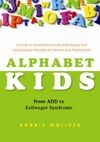
Alphabet Kids — From ADD to Zellweger Syndrome: a Guide to Developmental, Neurobiological and Psychological Disorders for Parents and Professionals. Robbie Woliver, $37.95
From ASD (Autism Spectrum Disorder) to ZS (Zellweger Syndrome) there seems to be an alphabet disorder for almost every behavior, from those caused by serious, rare genetic diseases to more common learning disabilities that hinder children's academic and social progress. This comprehensive, easy-to-read go-to guide will help parents to sort through all the interconnected childhood developmental, neurobiological and psychological disorders and serve as a roadmap to help start the families' journey for correct diagnoses, effective treatment and better understanding of their Alphabet Kids. |
|
The ASD
Independence Workbook: Transition Skills for Teens & Young Adults with
Autism. Francis Tabone, $22.95 (ages 14++)
Teens and young adults with ASD face many unique
challenges on the road to growing up. Daily interactions that we often take for
granted — yet are imperative for living independently — can be particularly
difficult. People with ASD require practice with simple activities and
interactions in school, in the community, and on the job site. So how can you
help the teen in your life gain the skills needed to successfully transition
into adulthood?
This easy-to-follow and engaging workbook is designed to
help young adults ages fourteen and up develop invaluable communication skills
and practice with interactions they would encounter in everyday life. Teens
will also find information on topics that are imperative for a successful
transition into adulthood — including health and safety, self-care, and more.
This unique book not only focuses on what adaptive skills are needed in the
real world, but also gives teens with ASD the ability to practice these skills,
either independently or with a teacher/caregiver.
Give the teen in your life the gift of independence. With
this workbook, they will be one step closer to leading full, productive, and
meaningful lives. |
Back to top
|
Asperger's Children: the Origins of Autism in Nazi
Vienna. Edith Sheffer, $36.95
Hans Asperger, the pioneer of autism and Asperger
syndrome in Nazi Vienna, has been celebrated for his compassionate defense of
children with disabilities. But in this groundbreaking book, prize-winning
historian Edith Sheffer exposes that Asperger was not only involved in the
racial policies of Hitler’s Third Reich, he was complicit in the murder of
children.
As the Nazi regime slaughtered millions across Europe
during World War Two, it sorted people according to race, religion, behavior,
and physical condition for either treatment or elimination. Nazi psychiatrists
targeted children with different kinds of minds — especially those thought to
lack social skills — claiming the Reich had no place for them. Asperger and his
colleagues endeavored to mold certain "autistic" children into
productive citizens, while transferring others they deemed untreatable to
Spiegelgrund, one of the Reich’s deadliest child-killing centers.
In the first comprehensive history of the links between
autism and Nazism, Sheffer uncovers how a diagnosis common today emerged from
the atrocities of the Third Reich. With vivid storytelling and wide-ranging
research, Asperger’s Children will move readers to rethink how societies
assess, label, and treat those diagnosed with disabilities. |
|
The Assessment of Functional Living Skills (AFLS): Complete
Set Bundle. James Partington & Michael Mueller, $355.95 (Guide and
Six Assessment Protocols)
The complete AFLS set is comprised of
The AFLS Guide and six unique assessment protocols that assess
functional, practical, and essential skills of everyday life. Although
each assessment protocol can be used as a stand-alone assessment, all protocols
are different modules of an extended assessment that exists on a continuum
spanning throughout a learner’s life in home, school, and community
settings. Each module is different yet each is connected by unifying
themes and overarching goals for maximizing a learner’s freedom, independence,
and opportunities. The skills assessed will vary depending on the learner’s
age, level of disability, language ability, living arrangements, school
setting, and other considerations.
The AFLS Guide provides information about the
features of the AFLS, how to correctly score items, and how to develop program
goals and objectives that clearly define and target the needs of the learner.
The AFLS Protocols are used to score performance on the task
items that allow for the tracking of a variety of specific skills that are
included in each assessment. Each protocol includes a set of grids that
comprise a skills tracking system that makes it possible to observe and document
the learner’s progress in the acquisition of skills. The AFLS Complete
Set Bundle includes one each of the following:
- AFLS Guide
- AFLS Basic Living Skills Assessment Protocol
- AFLS Home Skills Assessment Protocol
- AFLS Community Participation Skills Assessment Protocol
- AFLS School Skills Assessment Protocol
- AFLS Vocational Skills Assessment Protocol
- AFLS Independent Living Skills Assessment Protocol
The protocols can also be purchased individually. Check with store for pricing. |
|
Autism and Appropriate Touch: a Photocopiable Resource
for Helping Children and Teens on the Autism Spectrum Understand the
Complexities of Physical Interaction. Abigail Werner James, illustrated by
Kaiyee Tay, $35.95
Children and teens with Autism Spectrum Disorder can find
the complicated social rules around touch very difficult, and this can leave
them vulnerable. This educational resource provides ready-to-use lessons with
photocopiable worksheets to teach about appropriate touch and social boundaries
in family, educational, and community settings. |
Back to top
|
|
Autism Equality in the Workplace: Removing Barriers and
Challenging Discrimination. Janine Booth, $25.95
Neurodiversity in the workplace can be a gift. Yet only
15% of adults with an autism spectrum condition (ASC) are in full-time
employment. This book examines how the working environment can embrace autistic
people in a positive way. The author highlights common challenges in the
workplace for people with ASC, such as discrimination and lack of communication
or the right kind of support from managers and colleagues, and provides
strategies for changing them. Setting out practical, reasonable adjustments
such as a quiet room or avoiding disruption to work schedules, this book
demonstrates how day to day changes in the workplace can make it more inclusive
and productive for all employees.
Autism Equality in the Workplace is intended for any person
with an interest in changing working culture to ensure equality for autistic
people. It is an essential resource for employers, managers, trade unionists,
people with ASCs and their workmates and supporters. |
|
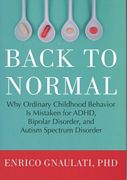
Back to Normal: Why Ordinary
Childhood Behavior Is Mistaken for ADHD, Bipolar Disorder, and Autism Spectrum
Disorder. Enrico Gnaulati, $20.00
In recent years
there has been an alarming rise in the number of American children and youth
assigned a mental health diagnosis. Dr. Enrico Gnaulati, a clinical
psychologist specializing in childhood and adolescent therapy and assessment,
has witnessed firsthand the push to diagnose these disorders in youngsters.
Drawing both on his own clinical experience and on cutting-edge research, he
has written the definitive account of why our kids are being dramatically over-diagnosed — and
how parents and professionals can distinguish between true psychiatric
disorders and normal childhood reactions to stressful life situations.
BACK TO NORMAL reminds
us of the normalcy of children’s seemingly abnormal behavior. It will give
parents of struggling children hope, perspective, and direction. And it will
make everyone who deals with children question the changes in our society that
have contributed to the astonishing increase in childhood psychiatric
diagnoses. |
|
|
Behavioral Challenges in Children with Autism and
Other Special Needs: the Developmental Approach. Diane Culliane, $50.95
This book offers a comprehensive view of behavioral
challenges for a child with autism or other special needs from a developmental
perspective based on the DIRFloortime® framework. Parents and professionals are
guided to understand and improve a child’s behavior while also supporting
underlying developmental capacities for shared attention, warm engagement,
trust, initiative, creative shared problem solving, symbolic and logical
thinking, and the development of personal values.
A refreshing alternative to rewards-and
consequences-based models of behavior management, the methods and practices in
this book will empower any adult who interacts with a child with special needs,
whether their work is directly focused on improving behavior, or because they
must provide support so that the child can participate in other endeavors. |
Back to top
|
The Boy Who Could Run But Not Walk: Understanding
Neuroplasticity in the Child's Brain. Karen Pape, $34.00 
This extraordinary book reveals the power of unconscious
assumptions in medicine and science. For example, a boy with cerebral palsy
affecting one side of his body had learned to walk badly with poor balance, but
he was also able to run and play in a competitive junior soccer league. Dr.
Pape explains that we walk and run with the same parts of the brain. This means
that if the run is normal, then the brain has recovered. The explanation is
simple. He learned to walk with a damaged, immature brain. He learned to play
soccer with a recovered, more mature brain. Doctors are trained to look at the
abnormal walk, not more competent, later learned skills. This book offers
readers a new understanding of how the baby brain grows and recovers
differently than an adult brain.
Throughout this remarkable book Dr. Pape shows that
cerebral palsy is not an incurable condition. The movement disorders are a
physical habit that can be changed, with a lot of hard work. The stories of
children’s recovery and improvements found within these pages are a
revelation — surprising, inspiring, and illuminating, offering real hope for some
of the world’s most vulnerable children. With profound implications for the
nearly 17 million children and adults worldwide living with cerebral palsy, The
Boy Who Could Run But Not Walk challenges the outdated thinking that there
is no cure for cerebral palsy. |
|
The Boy Who Loved Too Much: a True Story of
Pathological Friendliness. Jennifer Latson, $35.00
What would it be like to see everyone as a friend?
Twelve-year-old Eli D’Angelo has Williams syndrome — a genetic disorder that
obliterates social inhibitions, making him irrepressibly friendly,
indiscriminately trusting, and unconditionally loving toward everyone he meets.
It also makes him enormously vulnerable. Eli lacks the innate skepticism that
will help his peers navigate adolescence more safely — and vastly more
successfully.
Journalist Jennifer Latson follows Eli over three
critical years of his life as his mother, Gayle, must decide whether to shield
Eli entirely from the world and its dangers or give him the freedom to find his
own way and become his own person.
By intertwining Eli and Gayle’s story with the science
and history of Williams syndrome, the book explores the genetic basis of
behavior and the quirks of human nature. More than a case study of a rare
disorder, however, The Boy Who Loved Too Much is a universal tale about
the joys and struggles of raising a child, of growing up, and of being
different. |
|
Boyfriends & Girlfriends: a Guide to Dating for
People with Disabilities. Teri Couwenhoven, $24.95
Everyone knows that dipping your toe in the dating pond
can be a little intimidating without first seeking some expert advice! And
that's exactly what Terri Couwenhoven delivers in her new book written
expressly for teens and adults with intellectual or developmental
disabilities. Boyfriends & Girlfriends explains the dos
and don'ts of dating and validates their normal, age-appropriate desire for
companionship and romance. The book covers the biggest questions and smallest
concerns of every would-be dater, including:
- Who is an appropriate dating partner & who is not
- How to read signals & judge whether the interest is mutual
- How to ask someone out on a date
- How to turn down a date
- How to handle rejection
- What sexual feelings are
- How to work through problems in a relationship
- What to do when a relationship is not working
Written and illustrated for a hi/lo reader, Boyfriends
& Girlfriends is perfect for anyone who is already in a
relationship, ready to start one, or still only dreaming about it. The guide is
also an informative read for parents, counselors, and other support providers. |
Back to top
|
Caught In the Web of the Criminal Justice System:
Autism, Developmental Disabilities, and Sex Offences. Edited by Lawrence
Dubin & Emily Horowitz, $79.95
Increasing numbers of people with autism and other
developmental disabilities are being convicted of sex offences, resulting in
draconian and public punishment. Yet even when evidence shows that people with
these conditions often pose little threat to society, or lack a core
understanding as to why their actions break the law, the "sex offender
legal regime" doesn't allow any room to take the disability into account.
This ground-breaking book offers a multi-disciplinary
examination of how unjust sex offense laws trap vulnerable groups such as those
with developmental disabilities. Drawing on research, empirical evidence and
including case studies, experts from the fields of law, ethics, psychology and
sociology explore what steps should be taken in order to ensure that laws are
just and take into consideration factors such as the vulnerability of the
perpetrators. Investigating the consequences caused by public hysteria over sex
offenses, this book highlights the judicial failure to protect defendants with
developmental disabilities in the context of the unjust and hyper-punishment of
all those charged with sex offenses. Proposing a new way forward based on
research and evidence-based sentencing for sex offenses, and elimination of the
sex offender registry, this book offers an informed and compassionate view that
is essential for all professionals working in this field. |
|
|
Children with Cleft Lip and Palate: a Parents' Guide
to Early Speech-Language Development and Treatment. Mary Hardin-Jones,
Kathy Chapman & Nancy Scherer, $30.50
Turn to this book for family-friendly guidance and
support for young children with clefts—cleft lip, cleft palate, and cleft lip
and palate—one of the most commonly occurring birth defects. Learn about:
- what clefts are
- how they are repaired and when
- feeding problems before and after surgery
- dental issues
- hearing & middle ear problems
- your child's treatment team
- your child's perspective
- velopharyngeal inadequacy
- speech-language skill building activities
A team of speech-language pathologists focuses especially
on mitigating the speech and language problems experienced by infants and
toddlers (ages birth to three) with cleft palate. Parents can use the book's
dozens of practical, hands-on activities to improve their child's speech.
Helpful strategies, illustrations of cleft repair procedures, photos of
equipment, and recommended resources empower parents to get started on
addressing speech problems of very young children and other issues for
school-aged children. Speech-language pathologists, early intervention
specialists, and medical professionals will also want this book to recommend to
the families they serve. |
Back to top
|
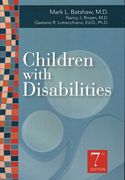
Children with Disabilities,
7th Edition. Mark Batshaw, Nancy Roizen &
Gaetano Lotrecchiano, $114.50
This highly anticipated new edition is
the textbook of choice for courses on disability. The internationally respected
editors bring together a who's who of contributors in this definitive
compendium of information about developmental, clinical, family, education, and
intervention issues. WHAT'S NEW:
- All-new chapters on diagnosis,
neuropsychological assessment, "new" disabilities faced by survivors
of previously fatal disorders, and complementary and alternative medicine
- New multimedia instructor materials online,
including high-quality downloadable medical illustrations
- Expanded chapters on autism and ADHD
- New developments in neuroscience, genetics, and
imaging
- Greater focus on interdisciplinary collaboration
- Thoroughly updated content in every chapter
- PowerPoint slides for each chapter, easy to
customize for courses
CHILDREN WITH DISABILITIES retains and strengthens the student-friendly
features of previous editions: concise and accessible chapters, a helpful
glossary, chapter overviews, case studies that bring key concepts to life,
extensive cross-referencing to make information easy to find, and resource
lists for every topic. And with the complete package of new multimedia
instructor materials, instructors will use this textbook effectively in their
courses and prepare students for years of successful practice. An unparalleled
text from the leading voices in the disability field, CHILDREN WITH
DISABILITIES is the cornerstone resource future professionals will keep
year after year supporting their important work with children and families. |
|
|
Choosing Down Syndrome: Ethics and New Prenatal
Testing Technologies. Chris Kaposy, $38.95
The rate at which parents choose to terminate a pregnancy
when prenatal tests indicate that the fetus has Down syndrome is between 60 and
90 percent. In Choosing Down Syndrome, Chris Kaposy offers a carefully
reasoned ethical argument in favor of choosing to have such a child. Arguing
from a pro-choice, disability-positive perspective, Kaposy makes the case that
there is a common social bias against cognitive disability that influences
decisions about prenatal testing and terminating pregnancies, and that more
people should resist this bias by having children with Down syndrome.
Drawing on accounts by parents of children with Down
syndrome, and arguing for their objectivity, Kaposy finds that these parents
see themselves and their families as having benefitted from having a child with
Down syndrome. To counter those who might characterize these accounts as based
on self-deception or expressing adaptive preference, Kaposy cites supporting
evidence, including divorce rates and observational studies showing that
families including children with Down syndrome typically function well. Himself
the father of a child with Down syndrome, Kaposy argues that cognitive
disability associated with Down syndrome does not lead to diminished
well-being. He argues further that parental expectations are influenced by
neoliberal ideologies that unduly focus on the supposed diminished economic
potential of a person with Down syndrome.
Kaposy does not advocate restricting access to abortion
or prenatal testing for Down syndrome, and he does not argue that it is
ethically mandatory in all cases to give birth to a child with Down syndrome.
People should be free to make important decisions based on their values.
Kaposy's argument shows that it may be consistent with their values to welcome
a child with Down syndrome into the family. |
|
|
College for Students with Disabilities: We Do Belong. Pavan
John Antony & Stephen Shore, Editors, $33.95
"You are not college material" or "you
don't belong in college" are comments frequently heard by students with
disabilities. Despite this, college education is now an expected part of the
transition to adulthood for many individuals with disabilities. The book
includes practical advice to encourage self-advocacy in students with
disabilities, and to support the professionals who are facing the challenges
alongside them. This book presents a realistic picture of the positive and
negative aspects of the transition to higher education as experienced by
students with disabilities. It combines findings from special education
studies, personal stories from individuals with disabilities, and practical
tips to help those facing the challenges.
Covering cerebral palsy, autism spectrum disorders, intellectual disabilities,
and much more, this is vital reading for parents, individuals with
disabilities, school teachers, college professors, and professionals working
with adults with disabilities. |
Back to top
|
|
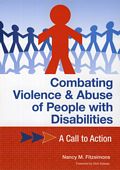
Combating
Violence & Abuse of People with Disabilities: a Call to
Action. Nancy Fitzsimmons,
$46.95
People with disabilities are four to ten times more likely to experience violence and abuse than people without disabilities. This book empowers everyone — professionals, families, and self-advocates alike — to solve and prevent this widespread problem. In clear and straightforward language, abuse prevention educator Nancy Fitzsimons calls readers to action and gives them the no-nonsense guidance they need to stop violence and abuse before they start.
An eye-opening sourcebook for professionals and a must-share with anyone who has a disability, this book is the key to helping people with disabilities fight violence and abuse — and take charge of their bodies and lives. |
|
Connected Kids: Help Kids with Special Needs (and
Autism) Shine with Mindful, Heartfelt Activities. Lorraine Murray, $22.95
In Connected Kids, author Lorraine Murray
introduces a range of mindful, heart-felt activities to that will help children
to teens learn to relax, de-stress and feel centered. You will discover how to
develop bespoke tools that support children with special needs and those on the
autism spectrum:
- Learn how meditation can support brain development, emotional
intelligence, self-regulation, and learning
- Develop a bespoke meditation ‘toolkit’ to help children and teens
to reduce anxiety and stress
- Learn how to use meditation to 'problem solve' and overcome
challenges
- Read about worldwide research that supports the use of meditation
for health and well-being
- Become empowered with mindful activities that help children to
shine
This book is ideal for educators, parents and
professionals, especially those with/working with children with additional
support needs, including ADD/ADHD, OCD, learning disorders, autism, anxiety,
chronic illness, and more. |
|
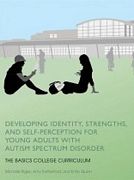
Developing Identity,
Strengths, and Self-Perception for Young Adults with Autism Spectrum Disorder:
the BASICS College Curriculum. Michelle
Rigler, Amy Rutherford & Emily Quinn, $39.95
The BASICS College
Curriculum presents a hands-on approach to learning essential independence and
life skills for students with Autism Spectrum Disorder (ASD). This book helps
young adults to explore their identity and self-perception and encourages them
to consider their personal characteristics and strengths.
Ideal as a textbook for ASD college programs run
by disability support services and suitable for students to use for self-study,
it focuses on reframing the student's perception of ASD by looking at personal
experiences, the language of diagnosis, and ASD in the media and it encourages
students to identify their strengths in social, group or work settings. Each
lesson provides valuable information and advice for the student, useful
diagrams, practical exercises and workbook components that can be filled in at
home or in class, and self-assessment tools. |
Back to top
|
Disorders of Sex Development: a Guide
for Parents and Physicians. Amy Wisniewski, Steven
Chernausek & Bradley Kropp, $20.50
Compassionately written by an
experienced team of professionals, this book offers parents and families
essential information about the causes, diagnosis, and treatment of disorders
of sex development, or DSD. DSD refers to medical conditions, usually
discovered at birth, in which there is disagreement between a person's genetic
sex (i.e., chromosomes) and the appearance of the person's external or internal
reproductive structures.
After their child is diagnosed with DSD,
parents need answers to a host of questions. This concise book answers parents'
questions in a reassuring and forthright way, giving affected individuals,
their families, and their health care providers a current and evidence-based
picture of DSD. It offers clear explanations of how newborns with DSD are
evaluated, diagnosed, and treated; describes the different kinds of DSD; and
pays close attention to both psychosocial and medical aspects of DSD. This
guide also includes information about the importance of support groups and
education for affected individuals and their families. DISORDERS OF SEX
DEVELOPMENT gives the information they need to reach a meaningful understanding
of their child's DSD and make informed decisions about their child's health. |
|
Divorce and the Special Needs Child: a Guide for Parents. Margaret "Pegi" Price, $39.95
Going through a divorce is always tough, but when a child with special needs is involved it can be especially challenging. This book takes a clear and comprehensive look at every aspect of the legal divorce process, and addresses all of the legal issues that divorcing parents of children with special needs face. From agreeing upon child custody arrangements that meet the particular needs of the child, to making provision for child support payments, gathering together the documentation needed to prove a case, and dealing with financial issues such as debts and property distribution, no aspect of divorce is left uncovered. A set of checklists is included to ensure that parents consider everything they need to, and the book concludes with a useful list of further resources.
Written by an experienced family lawyer and divorced mother of a child with autism, this book offers much-needed guidance to divorcing parents of children with a variety of special needs. |
|
|
Educating Children with Life-Limiting Conditions: a
Practical handbook for Teachers and School-Based Staff. Alison Ekins, Sally
Robinson, Ian Durant & Kathryn Summers, $60.10
Educating Children with Life-Limiting Conditions supports teachers who are working with children with life-limiting or
life-threatening conditions in mainstream schools by providing them with the
core knowledge and skills that underpin effective practice within a
whole-school and cross-agency approach.
Mainstream schools now include increasing numbers of
children with life-limiting or life-threatening conditions, and this accessible
book is written by a team comprised of both education and health professionals,
helping to bridge the gap between different services. Recognising the
complexity of individual cases, the authors communicate key principles relating
to the importance of communication, multi-professional understanding and
working and proactive planning for meeting the needs of any child with a life-limiting
or life-threatening condition that can be applied to a range of situations.
Reflective activities and practical resources are
provided and are also available to download. This book will be of interest to
teachers in mainstream schools, as well as teachers, and senior leaders in all
school settings, school nurses, children’s nurses and allied health
professionals. |
Back to top
|
Epilepsy in Children: What Every Parent Needs to Know. Orrin Devinsky, with Erin Conway & Courtney Schnabel Glick, $32.50
For the parent of a child with epilepsy, an easy-to-read
guide to understanding and managing the disorder while helping your child
achieve and maintain a high quality of life. From a leading neurologist,
experienced nurse practitioner, and registered dietician comes the complete
guide to managing your child is life with epilepsy. Epilepsy in
Children offers the practical advice and information you need to manage
your childís seizures safely and effectively, understand the latest treatment
options, and find hope for a seizure-free future. Key Features:
- Get the right diagnosis for your child and the correct treatment
to reduce the frequency of seizures faster
- Learn the benefits and risks of pharmaceutical, surgical, and
alternative therapies including the ketogenic diet
- Help your child maintain a normal life at school, with friends,
and in sports and other activities
- Navigate the transitions from infancy and childhood, to puberty,
to becoming a young adult
|
|
|
The Essential Guide to Safe Travel-Training for
Children with Autism and Intellectual Disabilities. Desirée Gallimore,
$25.95
For those growing up with an intellectual disability or
autism, comfortable, safe and independent travel will prove an invaluable life
skill. The key to pursuing fulfilling work and leisure activities and
developing as an individual, it also brings a liberating level of
self-sufficiency and reassurance of equality within society.
Arriving at this goal can be daunting. Dr Gallimore's
straightforward five-step system will guide parents and professionals through
successful training for children of any age and ability. Focusing on
understanding each child's individual goals and challenges, it gives you the
'ingredients' needed to fully prepare for each journey in advance, and shows
how to judge when to step back and let the child progress alone. Addressing
specific fears and obstacles that make travel difficult for children with
learning difficulties, it sets out all the precautions necessary to safeguard
children and others as they learn to reach their chosen destinations.
Clear-cut and far-reaching, this book is enriched by Dr
Gallimore's extensive experience as a psychologist, mobility specialist and
travel-trainer. It is a heartening resource and will be necessary reading for
anyone working with a child to get them on their path to independent travel. |
|
Faith Has Freckles and Walter Has Wheels. Shannon
Dee, $10.95 
This is a small book for small hands, full of BIG ideas. It
will arouse a child's natural curiosity about the characters they meet, about
skunks as pets, Autism, Down Syndrome, and how many push ups you can do with
one arm. This is a loving book about diversity, friendships, and the power of
big ideas. |
Back to top
|
Fall Down 7 Times Get Up 8: a Young Man's Voice from
the Silence of Autism. Naoki Higashida, Ka Yoshida & David Mitchell,
$29.95
Naoki Higashida was only thirteen when he wrote The
Reason I Jump, a revelatory account of autism from the inside by a nonverbal
Japanese child, which became an international success.
Now he shares his thoughts and experiences as a
twenty-four-year-old man living each day with severe autism. In short, powerful
chapters, Higashida explores school memories, family relationships, the
exhilaration of travel, and the difficulties of speech. He also allows readers
to experience profound moments we take for granted, like the thought-steps
necessary for him to register that it’s raining outside. Acutely aware of how
strange his behavior can appear to others, he aims throughout to foster a
better understanding of autism and to encourage society to see people with
disabilities as people, not as problems.
With an introduction by bestselling novelist David
Mitchell, Fall Down 7 Times Get Up 8 also includes a dreamlike short story
Higashida wrote especially for this edition. Both moving and of practical use,
this book opens a window into the mind of an inspiring young man who meets
every challenge with tenacity and good humor. However often he falls down, he
always gets back up. |
|
Far From the Tree, Young Adult Edition: How Children
and Their Parents Learn to Accept One Another... Our Differences Unite Us.
Andrew Solomon, $25.99
From New York Times bestselling author Andrew
Solomon comes a stunning, poignant, and affecting young adult edition of his
award-winning masterpiece, Far From the Tree, which explores the
impact of extreme differences between parents and children.
The old adage says that the apple doesn’t fall far from the tree, meaning that
children usually resemble their parents. But what happens when the apples fall
somewhere else — sometimes a couple of orchards away, sometimes on the other side
of the world? In this young adult edition, Andrew Solomon profiles how families
accommodate children who have a variety of differences: families of people who
are deaf, who are dwarfs, who have Down syndrome, who have autism, who have
schizophrenia, who have multiple severe disabilities, who are prodigies, who
commit crimes, and more.
Elegantly reported by a spectacularly original and compassionate thinker, Far
From the Tree explores how people who love each other must struggle to
accept each other — a theme in every family’s life. |
|
Feeding Challenges in Young Children:
Strategies and Specialized Interventions for Success. Deborah Bruns & Stacy Thompson, $63.95
Young children's feeding issues can be a
complex challenge for early childhood professionals. This comprehensive
resource provides early interventionists with specific, practical,
research-based guidance on resolving a wide range of feeding issues. Ideal for
a wide range of professionals working with young children birth–5 years across
school, home, and child care settings, this book-and-CD set gives readers
in-depth background information, how-to strategies, and helpful tools for
addressing feeding challenges.
With almost 50 pages of printable
tools, forms, and handouts, the included CD-ROM gives professionals practical
help with every step of improving children's feeding issues. Professionals will
get daily feeding logs, recordkeeping forms, quick-guides to feeding milestones
and red flags, and tip sheets on critical issues such as breastfeeding, feeding
team requirements, and positioning strategies and specialized feeding
equipment. |
Back to top
|
FLIPP the Switch: Strengthen Executive Function Skills.
Sheri Wilkins & Carol Burmeister, $35.50
Although many educators associate deficits in EF skills
with students on the autism spectrum, the reality is that many young people
struggle with executive functioning. In fact, it is accurate to say that all
young people are learning executive functioning as these skills are not fully
developed until people are well into their twenties. The good news is that
there are evidence-based strategies that can be used at home, in school, in the
community, and in work situations that can significantly improve the executive
functioning of individuals who struggle in this area. Given the right tools,
parents, educators, and others who work with this population can effectively structure
the environment and teach strategic thinking skills that will support the
critical life skills of flexibility, leveled emotionality, impulse control,
planning, and problem solving.
FLIPP the Switch is a practical book written for
parents and educators by parents and educators. The target audience is anyone
who works with young people aged 3-22 who are disorganized, inflexible,
impulsive, and who struggle with planning or problem solving. This book is
indispensable for anyone who wants to minimize conflict, maximize on-task
behavior, and support positive social-emotional development in a child or
student with challenging behavior. |
|
Floortime Strategies to Promote Development in
Children and Teens: a User's Guide to the DIR® Model. Andrea Davis,
Lahela Isaacson & Michelle Harwell, $39.95
Floortime is a highly effective intervention approach for
children and adolescents with autism and other developmental disorders. Now
there's a step-by-step guide for parents to learn, and professionals to teach
the DIR Floortime® model of helping young people with social, emotional, and
cognitive challenges.
This guide takes the research-supported developmental
approach to treatment and breaks it down into a curriculum of simple, sequenced
strategies you can use right away to support the social and cognitive
development of children and teens. Quick instructions and examples for each
method are laid out for easy viewing in the midst of a play session. Certified
DIR Floortime experts explain the theoretical background and the basics of how
to play and interact with children in ways that motivate them, make the most of
their natural interests, and help them develop critical new social, emotional,
and intellectual capacities. Whether you're a professional or parent, this
practical, ready-to-use Floortime guide is an essential addition to your
intervention toolkit. |
Back to top
|
|
Follow the Child: Planning and Having the Best
End-of-Life Care for Your Child. Sacha Langton-Gilks, $29.95
Drawing on her family's own experiences and those of
other parents facing the death of a child from illness or a life-limiting
condition, Sacha Langton-Gilks explains the challenges, planning, and
conversations that can be expected during this traumatic period. Practical
advice such as how to work with the healthcare professionals, drawing up an
Advance Care Plan, and how to move care into the home sit alongside tender
observations of how such things worked in her own family's story.
The book also includes a template person-centred planning
document, developed by experts in the field.
Empowering and reassuring, this book will help families
plan and ensure the best possible end-of-life care for a child or young person. |
|
Forest School and Autism: a Practical Guide. Michael
James, $37.95
Forest School's innovative outdoor approach offers
specific benefits to learners with autism, including increased social skills,
raised self-esteem and improved sensory function. This guide raises autism
awareness amongst practitioners by providing practical and easy-to-follow
advice for adapting Forest School activities for those with autism.
For those coming from a mainstream Forest School
background, the author offers an introduction to autism and shows what Forest
School can offer people with autism — both children and adults — with
first-person accounts that highlight its success with this group. The guide
gives advice on the social and sensory benefits, offers practical advice on
safety and on how to set up a Forest School and finally presents specific
activities to be incorporated into practitioners' routines. |
Back to top
|
|
Functional Communication Training for Problem Behavior. John Reichle & David Wacker, $56.50
Children and adolescents with moderate and severe
disabilities often have communication challenges that lead them to use problem
behavior to convey their desires. This is the most comprehensive contemporary
volume on functional communication training (FCT) — the individualized
instructional approach that teaches a child socially acceptable communicative
alternatives to aggression, tantrums, self-injury, and other unconventional
behaviors. The expert authors provide accessible, empirically based guidelines
for implementing FCT, and tips for overcoming obstacles. Grounded in the
principles of applied behavior analysis, the book includes detailed strategies
for developing a support plan, together with illustrative case examples. |
|
|
Geeks, Genes, and the Evolution of Asperger Syndrome. Dean
Falk & Eve Penelope Schofield, $37.50
In this unusual book an evolutionary anthropologist and
her coauthor/granddaughter, who has Asperger syndrome, examine the emergence
and spread of Asperger syndrome and other forms of high-functioning autism. The
authors speak to readers with autism, parents, teachers, clinicians,
psychologists, psychiatrists, other health-care providers, autism researchers,
evolutionary biologists, geneticists, paleoanthropologists, and people who
simply enjoy reading about science.
Using the latest findings regarding brain evolution and
the neurological, genetic, and cognitive underpinnings of autistic individuals
at the high end of the spectrum, Falk theorizes that many characteristics
associated with Asperger syndrome are by-products of the evolution of advanced
mental processing. She explores the origins of autism, whether it is currently
evolving, how it differs in males and females, and whether it is a global
phenomenon. Additionally, Eve Schofield, who was diagnosed with Asperger
syndrome as a child, provides firsthand accounts of what it is like to grow up
as an "Aspie." |
|
Going Solo While Raising Children with Disabilities.
Laura Marshak, $33.95
It's a fact that children with disabilities are more
likely than other children to be living in single-parent homes. If you're
raising a child with disabilities on your own, whether by choice or
circumstance, you'll find a wealth of support, affirmation, and practical ideas
in this guide to living well.
This is the first book for solo parents whose kids have a
wide variety of disabilities (physical, neuro-developmental, and psychiatric),
and who are widowed, separated, divorced, single by choice, adoptive or foster
parents, or military spouses with deployed partners.
In Going Solo, Laura Marshak skillfully
weaves together extensive interviews and survey results of solo mothers and
fathers (and grandparents, too) with reliable coping strategies gleaned from 25
years as a practicing psychologist and specialist in disability adjustment. The
book's insightful personal narratives and the author's deconstruction of these
to offer universal lessons from the basic (e.g., practice mindfulness to
de-stress) to the profound (e.g., cultivate gratitude as the antidote to resentment) will help readers assess and transform their own lives
for the better. Agencies, extended family, and friends will want a copy of this
book, too, to support the solos they care about. |
Back to top
|
Grandparents of Children with Disabilities:
Theoretical Perspectives of Intergenerational Relationships. Liora Findler
& Orit Taubman-BenAri, $75.95
This briefs offers a comprehensive view of the journey of
grandparents of children with disabilities by employing a wide range of
theoretical approaches such as intergenerational relationships, positive
psychology, psychoanalytic views and models of stress. It presents a
multidimensional view of grandparents, which begins with the general role of
grandparents in the family and the transition to grandparenthood, as a major
life event. The briefs moves on to discuss grandparents’ roles under unique
circumstances such as illness or disability in the family and then deals with
perspectives of parents of children with disabilities on the role of
grandparents. Finally, it reviews attitudes of professionals toward grandparents
and concludes with suggested intervention strategies for working with families
on intergenerational relationships. |
|
Helping Your Child with Extreme Picky Eating: a
Step-by-Step Guide for Overcoming Selective Eating, Food Aversion, and Feeding
Disorders. Katja Rowell & Jenny McGlothlin, $24.95
In Helping Your Child with Extreme Picky Eating,
a family doctor specializing in childhood feeding joins forces with a speech
pathologist to help you support your child's nutrition, healthy growth, and end
meal-time anxiety (for your child and you) once and for all.
Are you parenting a child with 'extreme' picky eating? Do
you worry your child isn't getting the nutrition he or she needs? Are you tired
of fighting over food, suspect that what you've tried may be making things
worse, but don't know how to help? Having a child with 'extreme' picky eating
is frustrating and sometimes scary. Children with feeding disorders, food
aversions, or selective eating often experience anxiety around food, and the
power struggles can negatively impact your relationship with your child.
Children with extreme picky eating can also miss out on parties or camp because
they can't find “safe” foods. But you don't have to choose between fighting
over every bite and only serving a handful of safe foods for years on end.
Helping Your Child with Extreme Picky Eating offers
hope, even if your child has “failed” feeding therapies before. After gaining a
foundation of understanding of your child's challenges and the dynamics at
play, you'll be ready for the five steps (built around the clinically proven
STEPS+ approach-Supportive Treatment of Eating in PartnershipS) that transform
feeding and meals so your child can learn to enjoy a variety of foods in the
right amounts for healthy growth. You'll discover specific strategies for
dealing with anxiety, low appetite, sensory challenges, autism spectrum-related
feeding issues, oral motor delay, and medically-based feeding problems. Tips
and exercises reinforce what you've learned, and dozens of “scripts” help you
respond to your child in the heat of the moment, as well as to others in your
child's life (grandparents or your child's teacher) as you help them support
your family on this journey. This book will prove an invaluable guide to
restore peace to your dinner table and help you raise a healthy eater. |
|
How LEGO®-Based Therapy for Autism Works:
Landing On My Planet. Daniel Legoff, $35.95
With in-depth descriptions of LEGO®-based therapy in action,
this book explains how and why it helps to promote the development of social
skills for children with autism spectrum disorders (ASDs) and related
conditions.
Written by Daniel B. LeGoff, who pioneered the approach,
this book comprises a series of case histories of children who participated in
LEGO® therapy. It traces the development of the evidence-based approach, shares
the clinical insights gained along the way and highlights the principles which
should be at the core of all effective treatment and educational strategies for
children with ASDs. The case histories have real practical value for those
working with children with ASDs and also help to demonstrate the subtleties of
the adult facilitation role for professionals running sessions. |
Back to top
|
ICP™ – The Inclusive Classroom Profile Set, Research
Edition. Elana Soukakou, $96.95
How well is your early childhood program implementing
quality inclusive practices?
Now there’s a comprehensive, field-tested observational
tool that uncovers the answers. A one-of-a-kind tool for classrooms serving
children ages 2–5, the Inclusive Classroom Profile (ICP™) assesses 12
key practices with the strongest research base for supporting the education and
development of young children in inclusive programs.
For accurate results, the ICP is conducted by a trained
outside observer, such as a technical assistance professional or administrator.
The observer conducts the three parts of the ICP: a classroom observation
scheduled during everyday routines; a face-to-face interview with the teacher;
and a documentation review of the program’s policies, screeners and
assessments, and child intervention plans. Comprehensive assessment with ICP
takes about 3½ hours, plus 20 minutes to score. The in-depth ICP evaluation
process gives you the rich information and insights you need to:
- assess your program’s current inclusive practices
- establish a baseline for measuring future progress
- apply recommended inclusive practices for young children
- guide quality improvement efforts by linking assessment data with
instructional decision-making
- tailor professional development to teachers’ specific needs
The ICP is also a perfect companion to popular early
childhood inclusion guides like Building Blocks for Teaching Preschoolers with
Special Needs. Determine your strengths and needs with the ICP, and then find
effective inclusion strategies in Building Blocks. |
|
The Impulsive, Disorganized Child: Solutions for
Parenting Kids with Executive Functioning Difficulties. James Forgan &
Mary Anne Richey, $25.50
Impulsive, scattered, lost, unfocused, unprepared,
disorganized: These are just a few of the words used to describe kids with
executive functioning deficits, which commonly affect many children already
diagnosed with ADHD, learning disabilities, and autism. The Impulsive,
Disorganized Child: Solutions for Parenting Kids With Executive Functioning
Difficulties helps parents pinpoint weak executive functions in their
children, then learn how to help their kids overcome these deficits with
practical, easy solutions.
Children who can't select, plan, initiate, or sustain
action toward their goals are children who simply struggle to succeed in school
and other aspects of life. Parents need the helpful, proven advice and
interactive surveys and action plans in this book to empower them to take
positive action to teach their disorganized, impulsive child to achieve independence,
success, and a level of self-support. |
Back to top
|
The Kids' Guide to Staying Awesome and In Control: Simple
Stuff to Help Children Regulate their Emotions and Senses. Lauren Brukner, Illustrated
by Apsley, $25.95
Packed with simple ideas to regulate the emotions and
senses, this book will help children tackle difficult feelings head-on and feel
awesome and in control! From breathing exercises, pressure holds and finger
pulls, to fidgets, noise-reducing headphones and gum, the book is brimming with
fun stuff to help kids feel cool, calm and collected. They will learn how to
label difficult feelings, choose the perfect strategies and tools to tackle
them, and use these correctly whether at home or at school. The strategies and
tools are accompanied by cartoon-style illustrations, and the author includes
useful tips for parents and teachers as well as handy visual charts and
checklists to track learning and progress.
Armed with this book, kids will be well on their way to
managing difficult emotions and feeling just right in whatever situation life
throws at them! Suitable for children with emotional and sensory processing
difficulties aged approximately 7 to 14 years. |
|
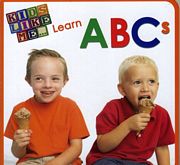
Kids Like
Me Learn ABCs. Laura Ronay & Jon Wayne Kishimoto,
$16.50
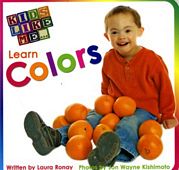
Kids Like Me Learn Colors. Laura Ronay
& Jon Wayne Kishimoto, $15.50
Featuring adorable and diverse
children with Down syndrome on every page, and many of
their siblings too, these chunky, sturdy books are perfect
for youngsters who are ready to start learning their colors
and ABCs. |
|
|
|
A Kinder Way: a Parent's Crisis Intervention Plan. Teresa Patricia Murphy, $17.95
Aggressive symptoms are a significant and challenging
part of life for some individuals with developmental and neurocognitive
disorders. Accounts of caregivers reaching their breaking points and the
hardships that these symptoms evoke are regularly featured in the media. A
Kinder Way shares information about stressors, signs of escalation, and
preventative strategies. Most importantly, it offers a non-invasive crisis
intervention plan because when preventative measures fall short and a crisis
ensues a safe, effective plan of action is essential. This book is for family
caregivers, support workers, and educational staff who want to employ the least
restrictive measures possible to encourage and support an individual's efforts to
safely arrive at a calmer state when a crisis occurs. |
Back to top
|
Managing Your Child's Chronic Pain. Tonya Palermo
& Emily Law, $24.95
Studies suggest that as many as four out of ten children
and adolescents suffer from chronic pain. The causes of chronic pain in young
people vary, from illness-related causes to pain following medical procedures.
In fact, in some children the cause of chronic pain is never explained.
Managing Your Child's Chronic Pain is an
invaluable resource for parents who wish to learn how to help their children
and families cope with persisting pain using cutting-edge, scientifically
proven treatment tools and techniques. The easy-to-implement strategies in this
book provide parents with practical instructions for pain management that will
enable children to return to school, participate in sports and other
activities, and pursue healthy and active social lives. With guidance on how to
prevent relapse, maintain improvements, and prevent future problems with pain
and disability, Managing Your Child's Chronic Pain will empower parents
to take a hands-on approach to relieving their child's pain. |
|
Meet Me Where I'm At. Cindy Best & Joyce Shor
Johnson, $16.95
The many gifted and spirited children the author works
with at A.R.T.S (Adaptive art. Respite. & Therapeutic play. Services.)
inspired her to write this book. Often times, she noticed children felt
misunderstood at home and school, and in the community. This book helps
children understand how they are wired and it gives them a way to communicate
without having to express it verbally or face-to-face. It provides something
concrete that could be individualized and given to new teachers, coaches, or
friends to help them understand who the child is and how he or she functions best.
Another very important lesson acquired from this book is, it teaches children
how to become advocates for themselves. |
|
A Mindfulness Intervention for Children with Autism
Spectrum Disorders: New Directions in Research and Practice. Yoon-Suk Hwang
& Patrick Kearney, $129.00
This book presents emerging research on the effectiveness
of mindfulness methods in reducing behavior problems associated with autism
spectrum disorders (ASD) in children. The volume synthesizes current research
and theories on the therapeutic uses of mindfulness, specifically for people
living with developmental disabilities. In addition, it examines a promising new
study in which mothers of children with ASD learn mindfulness techniques for
their own use and are then trained to teach the methods to their children. The
book concludes with a report of post-study findings and a discussion of
practical and methodological issues regarding mindfulness interventions for
ASD. Featured topics include:
- A genealogy of mindfulness, from original Buddhist texts to
modern health application
- Implications for further research and advancement
- Appendices of basic mindfulness exercises and activities
A Mindfulness Intervention for Children with Autism
Spectrum Disorders is a concise resource for researchers, clinicians
and other scientist-practitioners, and graduate students in developmental
psychology, social work, education, and related disciplines. |
Back to top
|
Multifaith Care for Sick and Dying Children and their
Families: a Multidisciplinary Guide. Paul Nash, Madeleine Parkes &
Zamir Hussain, $29.95
Drawing on extensive, evidence-based research and
practice, this practical resource addresses the multi-faith needs of sick and
dying children and young people in hospitals and the wider community. Covering
Islam, Christianity, Hinduism, Sikhism, Judaism and Buddhism, it provides the
key information needed to help multi-disciplinary healthcare staff offer the
best, culturally-appropriate care to sick children and their families. The book
discusses daily, palliative, end of life and bereavement care in a range of
settings, including hospitals, hospices, schools and home. The information
provided covers those aspects of the religions discussed that are essential for
healthcare staff to understand, including modesty and hygiene, taboos, food and
prohibited products, age-related issues, sacred objects, visitors, and the
expectations of the family. It includes important information on the issues of
disability and mental health in each faith as well as addressing the
significance within different faith traditions of the transitions from
childhood to adolescence to adulthood.
A comprehensive resource, this book will be of immeasurable value to
multi-disciplinary healthcare professionals including doctors, nurses,
bereavement support and palliative care workers, carers, counsellors, chaplains
and arts therapists. |
|
My Heart Can't Even Believe It: a Story of Science,
Love, and Down Syndrome. Amy Silverman, $30.95
All parent stories about raising a child with Down
syndrome are special and unique, but in the hands of a good writer, they can
have the power to reach, change, and resonate far beyond family and friends.
And that is the case with My Heart Can’t Even Believe It, by
journalist, blogger, and NPR contributor Amy Silverman.
Amy bravely looks at her life, before and after her
daughter Sophie was born, and reflects on her transformation from "a
spoiled, self-centered brat," — who used words like retard and
switched lines at the Safeway to avoid a bagger with special needs — into the
mother of a kid with Down syndrome and all that her new identity entails. She
describes her evolution as gradual — one built by processing her fears and facing
questions both big and small about Sophie, Down syndrome, and her place in the
world.
Funny, touching, and honest, this wonderful book looks at
a daughter and her power to change minds and fill hearts with love so deep
that, as Sophie once remarked to her mom, "I love you so much my heart
can’t even believe it!" Theirs is a story worth reading. |
|
A New Day: a Story about Losing Someone You Love. Fiona
McDonald, $22.50
Brown Mouse is too sad to get out of bed and the other
mice can do nothing to make her feel better. Grey Mouse has died which has made
all the mice sad. Grey Mouse was kind and sweet and made perfect tea. Brown
Mouse needs some time and space to remember her. That night Brown Mouse wakes
up and sits with the other mice drinking hot tea and sharing special memories
of Grey Mouse. Brown Mouse's memories of Grey Mouse make her smile, and as the
sun rises, Brown Mouse feels ready for a new day.
This gentle and comforting illustrated book will help
children and young adults with profound and multiple learning disabilities
(PMLD) grasp the difficult concept that is the death of a loved one. Featuring
appealing black and white artwork and strong characters, Brown Mouse's story
will assist parents, family and carers in giving children and those with PMLD a
safe way to process loss and bereavement. |
Back to top
|
Noah's Garden: When Someone You Love is in the
Hospital. Mo Johnson, illustrated by Annabelle Josse, $19.00
A hospital courtyard garden — and a vivid imagination —
are a haven for a young boy as he waits for his baby sister to be well enough
to join him.
Noah and his family are living in The Children's Hospital
because his new sister, Jessica, was born with a serious medical condition.
Normal family life is suspended indefinitely for Noah, but in the true spirit
of childhood, he spends his days in the hospital garden, creating an imaginary
world, longing for the day when Jess can join him. |
|
|
Not So Different: What You Really Want to Ask About
Having a Disability. Shane Burcaw, illustrated by Matt Carr, $24.99
Not So Different offers a humorous, relatable, and
refreshingly honest glimpse into Shane Burcaw’s life. Shane tackles many of the
mundane and quirky questions that he’s often asked about living with a disability,
and shows readers that he’s just as approachable, friendly, and funny as anyone
else.
Shane Burcaw was born with a rare disease called spinal
muscular atrophy, which hinders his muscles’ growth. As a result, his body
hasn’t grown bigger and stronger as he’s gotten older — it’s gotten smaller and
weaker instead. This hasn’t stopped him from doing the things he enjoys (like
eating pizza and playing sports and video games) with the people he loves, but
it does mean that he routinely relies on his friends and family for help with
everything from brushing his teeth to rolling over in bed. |
|
Not What I Expected: Help and Hope for Parents of
Atypical Children. Rita Eichenstein, $23.00
A pediatric neuropsychologist presents strategies to help
parents of special-needs children navigate the emotional challenges they face.
As diagnosis rates continue to rise for autism, ADHD, learning disabilities,
and other developmental differences, parents face a maze of medical,
psychological, and educational choices — and a great deal of emotional stress.
Many books address children’s learning or behavior problems and advise parents
what they can do to help their kids, but until Not What I Expected:
Help and Hope for Parents of Atypical Children there were no books
that explain what the parents are going through — and how they can cope with
their own emotional upheaval — for their own sake, and for the wellbeing of the
whole family.
With compassion, clarity, and an emphasis on practical solutions, Dr. Rita
Eichenstein helps readers understand their own emotional experience. The book
shows parent how to nurture themselves in addition to their kids, identify and
address relationship wounds including tension in a marriage and struggles with
children (special-needs and neurotypical), and embrace their child with
acceptance, compassion and joy. |
Back to top
|
Online Safety for Children and Teens on the Autism
Spectrum: a Parent's and Carer's Guide. Nicola Lonie, $22.95
Children and teens with autism can be particularly
vulnerable to online dangers and this practical handbook explains how you can
help your child to navigate websites, chat rooms and social media safely. Providing
all the information needed to monitor, educate and guide your child's computer
use, the book discusses key concerns such as parental control, social
networking, grooming, cyberbullying, internet addiction and hacking. The risks
and the warning signs to look out for are clearly explained alongside useful
advice and examples from real-life experiences. A Digispeak Dictionary is
included that decodes the cryptic language of online slang and there are
downloadable forms to help record your child's internet use. The practical
solutions in this book will give you peace of mind and ensure that your child
can enjoy the educational and social benefits of the internet in safety. |
|
Pain Is Really Strange. Steve Haines, illustrated
by Sophie Standing, $15.95
Answering questions such as 'how can I change my pain
experience?', 'what is pain?', and 'how do nerves work?', this short
research-based graphic book reveals just how strange pain is and explains how
understanding it is often the key to relieving its effects.
Studies show that understanding how pain is created and
maintained by the nervous system can significantly lessen the pain you
experience. The narrator in this original, gently humorous book explains pain
in an easy-to-understand, engaging graphic format and reveals how to change the
mind's habits to transform pain. |
|
PANDAS and PANS in School Settings: a Handbook for
Educators. Edited by Patricia Rice Doran, $30.95
PANDAS (Pediatric Autoimmune Neuropsychiatric Disorders
Associated with Strep) and PANS (Pediatric Acute-Onset Neuropsychiatric
Syndrome) occur when an abnormal immune response produces brain inflammation,
leading to unusual psychological symptoms in children. Symptoms can include
OCD, tics, ADHD, anxiety disorders, sensory issues and marked personality
changes.
This practical handbook explains how educators can
distinguish between these symptoms and pre-existing conditions, and offers
strategies for supporting students with PANDAS and PANS in school settings.
Contributions from experts provide educators with the understanding needed to
be able to collaboratively identify PANDAS and PANS, and carry out effective
interventions. As the rate of incidence of PANDAS and PANS increases, this book
will be an essential resource for school staff in getting to grips with these
complex disorders and overcoming the challenges they present. |
|
The Parent's Guide to Down Syndrome: Advice,
Information, Inspiration,, and Support for Raising Your Child from Diagnosis
through Adulthood. Jen Jacobs & Mardra Sikora, $21.50
As a parent of a child diagnosed with Down syndrome, you
may be feeling unsure of what to do next or where your child's journey will
take you. In this book, authors Jen Jacobs and Mardra Sikora share their
experiences and guide you with expert advice from diagnosis to adulthood. Each
page teaches you ways to support your child through major milestones; nurture
their development; and ensure that they succeed behaviorally, socially, and
cognitively. With The Parent's Guide to Down Syndrome, you will
have the tools you need to raise a happy, healthy, and thriving child. |
Back to top
|
The Parent's Guide to Occupational Therapy for Autism
and Other Special Needs: Practical Strategies for Motor Skills, Sensory
Integration, Toilet Training, and More. Cara Coscinkski, $22.95
This essential guide for parents of children with autism
and other special needs covers sensory processing, toileting, feeding, and much
more. It provides clear explanations of common behaviors and offers simple
exercises to support development at home. With the help of this handy guide,
you can bring tried and tested occupational therapy activities into your home
and encourage your child to succeed with everyday tasks while having fun in the
process. |
|
|
The Parents' Guide to Specific Learning Difficulties:
Information, Advice and Practical Tips. Veronica Bidwell, $26.95
Packed full of advice and practical strategies for
parents and educators, this book is a one-stop-shop for supporting children
with Specific Learning Difficulties (SpLDs).
Part one introduces a spectrum of SpLDs, ranging from
poor working memory, dyslexia, dyspraxia, dyscalculia, through to ADHD, Autism
Spectrum Disorder (ASD), Auditory Processing Disorder (APD), Specific Language
Impairment and Visual Processing Difficulty. It explains clearly what each
difficulty is, how it can affect a child's learning and how to help a child to
succeed despite their difficulties. Part two includes a host of tips, tools and
strategies to support your child's efforts in areas such as reading, writing,
spelling and handwriting, as well as advice on motivation, confidence and
managing life's setbacks.
Written by an experienced Educational Psychologist, this
is the perfect guide for parents and carers who are looking for ways to support
their child's learning, as well as for educators and teachers looking for
advice on how to differentiate lessons and motivate pupils with SpLDs. |
|
|
PEERS® for Young Adults: Social Skills Training for Adults
with Autism Spectrum Disorders and Other Social Challenges. Elizabeth
Laugeson, $88.10
PEERS® for Young Adults presents the first
evidence-based group treatment program for young adults with Autism Spectrum
Disorder, as well as other neurodevelopmental disorders and social challenges.
Inside, readers will find a critical step forward in the dissemination of
effective behavioral interventions for young adults in the form of 16 engaging
group session outlines that are both user-friendly and backed by empirical
research. Each session is accompanied by homework assignments and practice
suggestions designed to reinforce the group’s understanding of the skills
learned during each meeting. This practical resource will prove to be an
invaluable reference for any clinician or educator working with this
population. |
Back to top
|
|
The PEERS Curriculum for School-Based
Professionals: Social Skills Training for Adolescents with Autism Spectrum
Disorders. Elizabeth Laugeson, $83.90
The PEERS® Curriculum for School-Based
Professionals brings UCLA's highly acclaimed and widely popular PEERS
program into the school setting. This sixteen-week program, clinically proven
to significantly improve social skills and social interactions among teens with
autism spectrum disorder, is now customized for the needs of psychologists,
counselors, speech pathologists, administrators, and teachers. The manual is
broken down into clearly divided lesson plans, each of which have concrete
rules and steps, corresponding homework assignments, plans for review, and
unique, fun activities to ensure that teens are comfortable incorporating what
they've learned. The curriculum also includes parent handouts, tips for
preparing for each lesson, strategies for overcoming potential pitfalls, and
the research underlying this transformative program. |
|
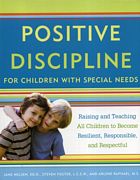
Positive Discipline for Children with Special Needs: Raising and Teaching All Children to Become Resilient, Responsible and Respectful. Jane Nelsen, Steven Foster & Arlene Raphael, $20.95
Every child deserves to lead a happy and fulfilling life. For parents and teachers of children with special needs, helping their child to not only negotiate daily challenges, but to live fulfilling, meaningful lives, can be the most difficult challenge they will face. Over the years, millions of parents and teachers have come to trust Jane Nelsen’s classic Positive Discipline series for its consistent, commonsense approach to childrearing. Now, the bestselling series addresses the specific challenges that parents and teachers of children with special needs face, and offers them straightforward advice for supporting them in positive ways. In these pages are practical solutions to challenges such as:
Learning to look beyond diagnostic labels • Believing in each child's potential regardless of his/her stage of development • Helping children integrate socially and interact with their peers • Coping with the frustration that inevitably occurs when a child is being difficult • Strengthening a child's sense of belonging and significance • And Many More! |
|
POTS and Other Acquired Dysautonomia in Children and
Adolescents: Diagnosis, Interventions, and Multi-Disciplinary Management.
Kelly McCracken Barnhill, $27.95
This is an authoritative overview for anyone encountering
Postural Orthostatic Tachycardia Syndrome (POTS) — a dysfunction of the
autonomic nervous system resulting in diverse symptoms experienced in an
upright position that are relieved by lying down — and other types of acquired
dysautonomia. It provides essential information on the symptoms, diagnosis and
treatment in children and young people.
Post-viral syndromes can be extremely difficult to manage
and the average individual spends two to three years accessing appropriate
diagnosis. This book provides necessary information for parents and healthcare
professionals on identifying POTS and other post-viral dysautonomia, the most
common triggers, appropriate intervention and successful multi-disciplinary management
in both short and long term situations. It also includes helpful tips and
coping strategies for managing the syndrome at home and in educational and
clinical settings.
Providing clear information on the causes, symptoms and
diagnosis of POTS and other acquired dysautonomia, this practical handbook
allows parents and professionals to gain a fuller understanding of post-viral
syndromes. It covers a range of interventions and includes strategies for
management and treatment at home and in clinical settings. |
Back to top
|
|
The Power of Different: the Link between Disorder and
Genius. Gail Saltz, $22.50
In The Power of Different, psychiatrist and
bestselling author Gail Saltz examines the latest scientific discoveries,
profiles famous geniuses who have been diagnosed with all manner of brain
“problems” — including learning disabilities, ADD, anxiety, Depression, Bipolar
disorder, schizophrenia, and Autism — and tells the stories of lay individuals to
demonstrate how specific deficits in certain areas of the brain are directly
associated with the potential for great talent. Saltz shows how the very
conditions that cause people to experience difficulty at school, in social
situations, at home, or at work, are inextricably bound to creative,
disciplinary, artistic, empathetic, and cognitive abilities.
In this pioneering work, readers will find engaging
scientific research and stories from historical geniuses and everyday
individuals who have not only made the most of their conditions, but who have
flourished because of them. They are leaning into their brain differences to
identify areas of interest and expertise; create the environments that best
foster their talents; and forge rewarding interpersonal relationships.
Enlightening and inspiring, The Power of Different proves that the unique wiring of every brain can be a source of strength and
productivity, and contributes to the richness of our world. |
|
Psychological First Aid for People with Intellectual
Disabilities Who Have Experienced Sexual Abuse: a Step-by-Step Programme. Asfke
Scharloo, Simone Ebbers & Martine Spijker, $70.00
People with intellectual disabilities are particularly
vulnerable to sexual abuse, and offering them psychological support at the
earliest possible moment greatly increases their ability to cope with the event
and return to daily life. This book provides a complete, structured,
evidence-based programme for providing this help to survivors of sexual abuse
with developmental disabilities, both adults and children.
Step-by-step session plans, as well as comprehensive
background information and downloadable worksheets, provide the means by which
to offer effective help to clients and recover their feelings of safety and
trust. Sessions are also included for helping parents and caregivers to cope
with their own reactions and emotions on the discovery of the abuse. Each
session is adaptable for the needs of people with severe, moderate and mild
intellectual disabilities in order to provide exceptional care to every
individual who needs it. |
Back to top
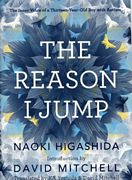
|
The Reason I Jump: The Inner Voice of
a Thirteen-Year-Old Boy with Autism. Naoki
Higashida, Ka Yoshida & David Mitchell, $19.95
Naoki Higashida was only a
middle-schooler when he began to write THE REASON I JUMP. Autistic and with
very low verbal fluency, Naoki used an alphabet grid to painstakingly spell out
his answers to the questions he imagines others most often wonder about him:
why do you talk so loud? Is it true you hate being touched? Would you like to
be normal? The result is an inspiring, attitude-transforming book that will be
embraced by anyone interested in understanding their fellow human beings, and
by parents, caregivers, teachers, and friends of autistic children. Naoki
examines issues as diverse and complex as self-harm, perceptions of time and
beauty, and the challenges of communication, and in doing so, discredits the
popular belief that autistic people are anti-social loners who lack
empathy.
This book is mesmerizing proof that inside an autistic body is a mind as
subtle, curious, and caring as anyone else's. |
|
|
Reframe Your Thinking Around Autism: How the Polyvagal
Theory and Brain Plasticity Help Us Make Sense of Autism. Holly Bridges,
$19.95
This is the first book to explain the Polyvagal Theory as
it applies to autism in simple terms for parents and professionals.
Incorporating Dr Anat Baniel's work in brain plasticity, it presents a new way
of understanding autism and supporting children on the spectrum with strategies
to strengthen the mind-body connection. Outlining a new, optimistic way to
understand autism, this concise and accessible book offers practical ideas to
help children on the spectrum grow.
The Polyvagal Theory suggests autism is a learnt response by the body — a
result of the child being in a prolonged state of 'fight or flight' while their
nervous system is still developing. This book explains the theory in simple
terms and incorporates recent developments in brain plasticity research (the
capacity of the brain to change throughout life) to give parents and
professionals the tools to strengthen the child's brain-body connection and
lessen the social and emotional impact of autism. |
Back to top
|
Relationship Building & Sexual Awareness for Kids
with Autism: S.T.A.R.S. 2. Susan Heighway & Susan Kidd Webster, $33.95
The original S.T.A.R.S. publication was designed for
older teens and adults with developmental disabilities. After meeting and
talking about sexuality issues with parents, teachers, service providers and
persons with developmental disabilities, the authors became aware of the need
for a corresponding training guide for children. Many of the problems in the
area of sexuality and sexual abuse that adults with disabilities face could be
lessened by early education and prevention. This new volume is an essential
tool that provided information and assistance in this field. The same
comprehensive approach to sexuality education that was used for the original
S.T.A.R.S. guidebook is found in the new volume, Relationship Building &
Sexual Awareness for Kids with Autism.
- Why sexuality education?
- Guidelines for parents and support providers
- Learning appropriate behaviors for each type of relationship
- Identifying body parts and understanding their functions
- Building a positive self-image and identity
- Understanding public and private behavior
- And many more!
|
|
|
Remarkable Books about Young People
with Special Needs: Stories to Foster Understanding. Alison Follos & the American Library Association, $21.95
Matching children with special needs to
books and stories that will motivate and engage them, this book is a valuable
collection for any parent, grandparent, caregiver, or teacher who lives or
works with young people who have disabilities. This vast and varied selection
of books offers individuals who may be isolated by their differences the
security and companionship of stories they can identify with. Describing more
than 100 stories featuring characters who have disabilities — from physical
handicaps, ADHD, Asperger’s syndrome, and dyslexia to survivors of
psychological or physical trauma — the guide points to narratives that can help
make these conditions understandable and familiar. Selecting books that
dissolve limitations and spark the imagination, this resource helps all kinds
of adults and children empathize and truly connect. |
|
|
Remembering Lucy. Sarah Helton, illustrated by
Anna Novy, $25.95
Joe and his friends miss Lucy very much. When she died
and they learned they wouldn't see Lucy again they were all very sad. But Joe
has a plan: he can remember the happy times he shared with Lucy! He thinks
about all the wonderful things Lucy did. How messy she was when she was
painting, and the time she giggled through the school play when her crown kept
slipping off. Now Joe knows that remembering Lucy means he doesn't have to feel
so sad!
Children with special educational needs and disabilities
(SEND) often experience grief at a much younger age than other children. This
touching short story will help children with SEND aged 3+ understand feelings
caused by death and loss, and the beautiful hand drawn illustrations help
convey the complex experience of bereavement in a simple and clear way.
Included is a teacher's guide to talking about bereavement, grief and loss,
making this the ideal aid for teachers and support staff at SEND schools and
colleges. |
Back to top
|
|
Rescue & Jessica: a Life-Changing Friendship. Jessica Kensky & Patrick Downes, illustrated by Scott Magoon, $22.99 (ages
5-9)
Rescue thought he’d grow up to be a Seeing Eye dog — it’s
the family business, after all. When he gets the news that he’s better suited
to being a service dog, he’s worried that he’s not up to the task. Then he
meets Jessica, a girl whose life is turning out differently than the way she'd
imagined it, too. Now Jessica needs Rescue by her side to help her accomplish
everyday tasks. And it turns out that Rescue can help Jessica see after all: a
way forward, together, one step at a time.
An endnote from the authors tells more about the training
and extraordinary abilities of service dogs, particularly their real-life best
friend and black lab, Rescue. |
|
Restorative Practice and Special Needs: a Practical
Guide to Working Restoratively with Young People. Nick Burnett &
Margaret Thorsborne, $41.95
Restorative Practice (RP) is an effective approach to
discipline that has the potential to transform behaviour by focusing on
building and restoring relationships. This practical guide explains how to
implement restorative approaches with young people with special needs in
educational or residential settings. The book explores how RP is being used in
general terms and through a number of case studies looks at how RP needs to be
adapted for those with additional needs including Autism Spectrum Disorder,
ADHD, Foetal Alcohol Spectrum Disorder, Intellectual Disability and
communication difficulties. It includes guidance on particular issues such as
staff facing crises, the issue of physical restraint and additional support
parents require. |
|
|
Seahorse's Magical Sun Sequences: How All Children
(and Sea Creatures) Can Use Yoga to Feel Positive, Confident, and Completely
Included. Michael Chissick & Sarah Peacock, $19.95
The Starfish Brothers, Eel, Crab and Octopus are having a
horrid time. The Starfish Brothers' backs are stiff as planks, Eel is in a
wheelchair and feels excluded, Crab finds it hard to play with others, and
highly-competitive Octopus is on crutches after a pole-vaulting accident.
Luckily, Seahorse adapts her Magical Yoga Sun Sequence to suit their individual
needs, helping them to be active, included, and much happier!
This beautiful picture book teaches four Yoga Sun Sequences in a fun and
interactive way. The simple sequences benefit all children, while ensuring that
anyone with inflexibility, autism, disability or injury can join in the fun.
With specific advice for individual needs, this is an excellent resource for
educators, yoga instructors and parents hoping to promote inclusion, positivity
and confidence in all children aged 3-11. |
|
|
The Secrets in Their Eyes: Transforming the Lives of
People with Cognitive, Emotional, Learning, or Movement Disorders, or Autism by
Changing the Visual Software of the Brain. Melvin Kaplan, $27.95
Vision therapy techniques can correct not only visual
problems, but also cognitive, emotional and physical difficulties. Based on the
pioneering work of Dr Melvin Kaplan, this research-based book explains the
basis of vision therapy, who it can help, and the outcomes it can bring.
Visual perceptual problems can cause an array of difficulties, from reading and
writing, to issues with balance, clumsiness, and tunnel vision. Severe symptoms
can lead to a diagnosis of anxiety, depression, learning disability or even
autism. In this groundbreaking book, Dr Kaplan shows how these symptoms point
to interventions that change the way that the eyes process information,
permanently counteracting visual deficits and impacting on behaviour. Case
studies demonstrate how to plan and implement visual management programs
according to a patient's symptoms, illustrating the wide range of life-changing
results that vision therapy can achieve for people of all ages, regardless of
severity of symptoms. Dr Kaplan also shares his expert knowledge of ambient
yoked prisms - a tool that transforms light to alter visual stimulation,
dramatically transforming perception and cognition.
This accessible book presents readers — including parents and families,
clinicians, and other professionals working with individuals with visual perception
problems — with a comprehensive introduction to the benefits and methods of
vision therapy. |
Back to top
|
|
Selective Mutism in Our
Own Words: Experiences in Childhood and Adulthood. Carl Sutton & Cheryl Forrester, $26.95
Exploring all aspects of SM, from symptoms and diagnostic
criteria, to triggers and the consequences of being psychologically unable to
speak, the stories in this book dispel the myths around this often
misunderstood condition. Far from refusing to talk, or choosing not to, the
contributors offer genuine insights into why they simply cannot speak in
certain situations or in front of certain people. Children, teens and adults
from the UK and US share experiences of feeling isolated, struggling at school,
and finding ways to communicate. Letting people with SM know that they are not
alone with the condition, the book will also help family, friends and
professionals to understand what it is like to live with SM. |
|
The Sensory Detective Curriculum Discovering Sensory
Processing and How It Supports Attention, Focus, and Regulation Skills. Paula
Aquilla, $33.50
Understanding our sensory processing ability helps us to
understand our likes, dislikes, and regulation style; i.e., the strategies we
use to help keep ourselves in a calm, alert state. The calm, alert state is the
state necessary for learning! Knowing how to stay regulated is a life skill.
This ability enables us to function in different environments, in different
situations, and with different people.
The Sensory Detective Curriculum is a resource
that can be used in a school setting to enable children to learn more about
themselves and others. It meets learning goals in science and social studies
and can provide a platform to discuss how we behave and communicate with each
other. Opening this discussion can help us understand how tensions can rise,
how bullying can happen, and how children in our own classroom can feel lonely,
isolated and misunderstood. The Sensory Detective Curriculum enables
students to discover sensory processing and how it supports attention, focus
and regulation skills. Learning adventures include: the neurology of sensory
processing, how sensory processing supports the nervous system to pay attention
and focus, how emotion is connected to sensory processing and regulation. Each
chapter has fun activities for students to not only deepen their understanding
but to apply this understanding to their own classroom. |
|
Sexuality and Relationship Education
for Children and Adolescents with Autism Spectrum Disorders: a Professional’s
Guide to Understanding, Preventing Issues, Supporting Sexuality, and Responding
to Inappropriate Behaviors. Davida Hartman, $39.95
Children and adolescents with Autism
Spectrum Disorders require specialized teaching strategies when learning about
puberty, sexuality and relationships. This professional resource offers
practical teaching advice geared towards the needs of young people on the
autism spectrum. Beginning with information on good practice, policy, teaching
methods and recent research, the book then divides into key sex education
topics that assist professionals in developing their own individualized and
developmentally appropriate curricula. Covering issues of gender, public and
private, puberty, hygiene, emotions, sex and more, each topic provides an
overview of the difficulties that children with autism might experience,
discussion and activity ideas and photocopiable resources including
instructional stories, checklists and illustrations. The final section
demonstrates how to respond to ongoing patterns of inappropriate behaviour and
put together a behaviour plan.
Aiming to explain and support the
child's developing sexuality while also addressing crucial issues of safety,
this book is a much-needed teaching manual for all professionals working with
children and young adults with autism including educators in mainstream and
special education, psychologists, therapists and social workers. |
Back to top
|
Sexuality and Safety with Tom and Ellie Series.
Ground-breaking and honest, these books will be
invaluable additions to the shelves of parents of children with ASD and other
developmental challenges, as well as mental health and legal professionals,
teachers, carers and other professionals working with individuals with special
needs. Each book teaches and reinforces ideas about safety, privacy, and
boundaries, while teaching about normal physical and emotional changes during
puberty and adolescence.
Ellie Needs To Go: a Book about How to Use Public Toilets
Safely for Girls and Young Women with Autism and Related Conditions. Kate
Reynolds, illustrated by Jonathon Powell, $15.95
When Ellie is in the park with her father, she needs to
go to the toilet. Ellie knows that public toilets are different to her toilet
at home. This visual resource helps parents and carers teach girls and young
women with autism and related conditions about how to use public toilets
safely. It covers the subtleties of social etiquette including where to stand
and look, as well as practicalities such as remembering to lock the cubicle
door. With simple and effective illustrations throughout, the book is the
perfect starting point for teaching independence when using public toilets.
Tom Needs to Go: a Book about How to
Use Public Toilets Safely for Boys and Young Men with Autism and Related
Conditions. Kate Reynolds,
Illustrated by Jonathon Powell, $17.95
When Tom is out shopping, he needs to
go to the toilet. Tom knows that public toilets are different to his toilet at
home. There are urinals and cubicles and he has to decide which to use. This
visual resource helps parents and carers teach boys and young men with autism
or other special needs about how to use public toilets safely. It covers the
subtleties of social etiquette including where to stand and look, as well as
practicalities such as remembering to lock the cubicle door. With simple and
effective illustrations throughout, the book is the perfect starting point for
teaching independence when using public toilets.
Things Ellie Likes: a Book about Sexuality and
Masturbation for Girls and Young Women with Autism and Related Conditions. Kate
Reynolds, illustrated by Jonathon Powell, $17.95
Ellie likes lots of different things. She likes listening
to music and making pizza. There are also things that Ellie enjoys doing in
private, like touching her vagina. This accessible and positive resource helps
parents and carers teach girls and young women with autism or related
conditions about masturbation. It covers when and where it is appropriate and
helps to establish boundaries surrounding privacy more generally. With simple
but explicit illustrations, this book provides the perfect platform to discuss
sexuality with girls and young women with autism or related conditions.
Things Tom Likes: a Book about
Sexuality and Masturbation for Boys and Young Men with Autism and Related
Conditions. Kate Reynolds,
Illustrated by Jonathon Powell, $15.95
Tom likes lots of different things. He
likes singing and watching TV in the family room. There are also things that
Tom enjoys doing in private, like touching his penis. This accessible and
positive resource helps parents and carers teach boys with autism or other
special needs about masturbation. It covers when and where it is appropriate
and helps to establish boundaries surrounding privacy more generally. With
simple but explicit illustrations, this book provides the perfect platform to
talk about sexuality with boys and young men with autism or special needs.
What's Happening to Ellie? A Book about Puberty for Girls
and Young Women with Autism and Related Conditions. Kate Reynolds,
illustrated by Jonathon Powell, $15.95
Ellie notices that her body is changing. Hair is growing
in new places and there are other changes happening too. Ellie's mum helps her
understand that she has started growing into a woman. Following Ellie as
she begins to notice changes to her body, this simple resource helps parents
and carers teach girls with autism and related conditions about puberty. It
covers all the changes that they will experience, both emotional such as new
feelings and physical such as periods. This fully illustrated positive and
entertaining book provides the perfect opportunity to talk about puberty with
girls and young women with autism or related conditions.
What's Happening to Tom? A Book about
Puberty for Boys and Young Men with Autism and Related Conditions. Kate Reynolds, Illustrated
by Jonathon Powell, $15.95
Tom notices that his body is changing.
Tom's voice is different and hair is growing in new places. There are other
changes happening too. Tom learns that he has started growing into a man.
Following Tom as he begins to notice changes to his body, this simple resource
helps parents and carers teach boys with autism or other special needs about puberty.
It covers all the changes that they will experience, both emotional such as new
feelings and physical such as wet dreams. This fully illustrated positive and
entertaining book provides the perfect opportunity to talk about puberty with
boys and young men with autism or special needs. |
|
|
|
|
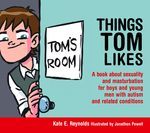
|
|
 |
Back to top
|
Sexuality and Severe Autism: a
Practical Guide for Parents, Caregivers and Health Educators. Kate Reynolds, $31.95
Sexual health and sexuality can be
difficult subjects for parents and caregivers to broach with autistic children,
made more challenging when children are at the severe end of the autism
spectrum. Some parents may even question the validity of teaching sexuality to
those who are severely autistic. This practical handbook guides you through the
process of teaching about sex and sexuality, answering all of the most crucial
questions, including: Why is it necessary to teach this subject to my severely
autistic child? When is the right time to start talking about these issues? How
detailed and explicit should I be? What methods are most appropriate? It
addresses male and female issues separately and covers public and private
sexual behaviours, sexual abuse, cross-gender teaching and liaising with
school, in addition to the more obvious areas such as physical changes and
menstruation.
This will be the ideal guide to teaching
about sexual issues for any parent, caregiver or health educator caring for a
person on the severe end of the autism spectrum. |
|
The Sibling Survival Guide: Indispensable Information
for Brothers and Sisters of Adults with Disabilities. Edited by Don Meyer
& Emily Holl, $28.95
If you're a teenaged or adult brother or sister of
someone with a disability, then this book is expressly for you. It offers a
sense that you're not alone, tips on how to talk to your parents about plans
for your sibling, and a crash course in guardianship, medical & legal
issues, and government benefits if you're already caring for your sib. Edited
by experts in the field of disabilities and sibling relationships, The
Sibling Survival Guide focuses on the topmost concerns identified in a
survey of hundreds of siblings. The chapter authors — experienced siblings and
service providers — offer practical information and anecdotes about:
- statistics & research about siblings
- younger siblings' feelings
- impact on your life decisions
- caring for multiple generations
- aging and disability
- taking care of yourself
- getting services & advocacy
- future planning
|
|
Simple Low-Cost Games and Activities for Sensorimotor
Learning: a Sourcebook of Ideas for Young Children Including Those with Autism,
ADHD, Sensory Processing Disorder, and Other Learning Differences. Lisa Kurtz,
$29.95
This practical sourcebook is packed full of fun, low-cost
games and activities that encourage the development of motor skills,
coordination and sensory tolerance in young children. Using materials that are
readily-available in most households or that can be purchased or homemade at a
very low cost, these games and activities are appropriate for all children,
including those with autism, ADHD, Sensory Processing Disorder, and other
learning challenges. The book includes clear descriptions of how to carry out
each activity, helpful illustrations, and ways to adapt activities according to
the child's individual needs. In addition, a comprehensive reference guide to
the activities enables easy searching for games suited to the development of
particular skills.
This sourcebook is the key to easy-to-understand,
low-cost, and effective games and activities that will support the development
of sensorimotor skills. It is a useful tool for parents, carers, therapists,
and teachers of children with or without special needs. |
Back to top
|
Sleep Better! A Guide to Improving
Sleep for Children with Special Needs, Revised Edition. V. Mark Durand, $33.50
From bedtime tantrums to bedwetting,
sleep problems can be one of the biggest sources of worry and frustration for
parents of children with special needs. Help is here in this down-to-earth,
nonjudgmental guide, packed with widely tested, easy-to-use techniques that
work for all children, with and without disabilities. This fully updated
edition includes help for parents who usually struggle with nighttime problems.
Without preaching or proposing a “one right way” to solve problems,
psychologist and father Mark Durand helps families tackle sleep issues with
optimism and proven strategies drawn from clinical and personal experience. A
must-own for tired parents everywhere, this warm and wise guidebook will put
sleep problems to bed and help whole families get the rest they need.
This flexible book includes valuable background information on understanding
and assessing sleep problems, with highly effective strategies for children
with special needs such as autism, Tourette syndrome, and cerebral palsy. It helps
parents develop a positive outlook and attitude as they work to resolve their
child’s challenges, and includes help for parents who struggle with their own
nighttime problems. SOLVE SLEEP ISSUES LIKE:
- Bedtime tantrums
- Night waking
- Sleep terrors
- Bed wetting
- Sleep schedule problems
- Sleepwalking and sleep talking
- Insomnia
- Tooth-grinding
- Periodic limb movements
|
|
Smiley: a Journey of Love. Joanne George, $18.95
While working as a veterinary technician, Joanne George
heard about a puppy mill not far from the clinic and embarked on a rescue
mission with her co-workers. On that special day, Joanne met Smiley for the
first time. He had been born without eyes and with dwarfism and because of his
time in the puppy mill, Smiley was suffering from serious anxiety. While the
other dogs rescued that day were found loving homes, Smiley was going to need
some extra special care. Nothing happens without practice and patience and
Joanne and Smiley learned both those traits together. Gradually Smiley was able
to walk off-leash and started greeting Joanne at the back door. She gave Smiley
a loving home and he taught her patience, understanding and acceptance.
It soon became evident that Smiley would become a
wonderful therapy dog. He trained as a St. John Ambulance Therapy Dog, visiting
hospitals, retirement homes, and schools to offer comfort and hope to those who
were lonely or suffering. |
|
|
Social Narratives: a Story Intervention for Children
with Autism and Other Developmental Disabilities. Sonia Morris, $35.95
Social Narratives are a simple, evidence-based intervention
to help children with autism spectrum disorders (ASD) and other developmental
delays to understand appropriate social behaviours and overcome the anxiety
associated with social situations. Drawing on the latest autism theory and
findings from research, the author provides step-by- step guidelines for
writing and using Social Narratives at home or in the classroom. She describes
clearly the key components of the approach, including incorporating the
interests of the child, using literal and positive language and including
visuals and comprehension questions to support learning. 27 sample Social
Narratives are also included, to provide inspiration and useful examples of how
Social Narratives can be used in practice. Perfect for improving social
behaviour in children with ASD, this book will be a valuable resource for
teachers, speech and language therapists, occupational therapists and
educational psychologists, as well as parents. |
Back to top
|
|
|
|
| From the Special
Kids in School Series® — Helping
to build awareness and understanding of children with chronic
illness. Each of the books in this series is designed to educate
classroom peers about children living with different illnesses.
Each title also includes "Ten Tips for Teachers"
and "Kids' Quiz". A must for parents, teachers,
school nurses, counselors and caregivers.
Titles in this series, $16.95 each:
Taking A.D.D. to School; Taking Arthritis to
School; Taking Asthma to School; Taking Autism to School;
Taking Cancer to School; Taking Cerebral Palsy to School;
Taking Cystic Fibrosis to School; Taking Depression to School;
Taking Diabetes to School; Taking Down Syndrome to School;
Taking Dyslexia to School; Taking Food Allergies to School;
Taking Hearing Impairments to School; Taking Seizure Disorders
to School; Taking Speech Disorders to School; Taking Tourette
Syndrome to School; Taking Visual Impairments to School; Taking
Weight Problems to School. |
|
The Special Needs School Survival Guide: Handbook for
Autism, Sensory Processing Disorder, ADHD, Learning Disabilities and More.
Cara Koscinski, $21.95
The Special Needs SCHOOL Survival Guide is the handbook
that will answer your questions about school accommodations, how to work
with school personnel for government assisted programs, autism,
Sensory Processing Disorder (SPD) in the classroom, learning disabilities,
handwriting, ADHD, Individual Education Programs (IEPs), behavior,
dysgraphia, and more! Cara's knowledge is quite in-depth as to how to acquire
the necessities for your child's success by utilizing various government
or school-based programs. This book contains easy to follow school
activities. The Q & A format makes the book easy to read and understand.
This book will prove to be a resource you will use frequently as your
student with special needs progresses through school. |
|
Supporting Children with Dyspraxia and Motor
Coordination Difficulties, 2nd Edition. Susan Coulter, Lesley Kynman, Elizabeth
Morling, Rob Grayson & Jill Wing, $51.50
Offering practical tips and strategies on how to meet the needs
of children and young people with dyspraxia and other coordination difficulties
in a range of educational settings, this book features timesaving checklists,
templates and photocopiable resources to support professional development. The
wide-ranging and accessible chapters explore topics including:
- Identification
of different types of motor co-ordination difficulties
- Implications
for classroom practice
- Understanding
core skill development
- Assessment
practices
Written by practitioners, for practitioners, it also
contains a wealth of tried and tested strategies and provides clear
best-practice guidance for developing outstanding provision in inclusive
settings. |
Back to top
|
Supporting Positive Behavior in Children and Teens
with Down Syndrome: The Respond but Don't React Method. David Stein, $30.95
Common behavior issues in children with Down syndrome can
quickly become engrained and may even persist into adulthood. Supporting
Positive Behavior in Children and Teens with Down Syndrome examines how the
brain of a person with Down syndrome works, how those differences impact behavior,
and why bad behavior should not be viewed as a willful act. Governed by this
new awareness, parents are in a better position to change and manage their
child’s behavior using these guiding principles:
- Be proactive, not reactive
- Be consistent
- Use visual schedules & Social Stories to direct behavior
- Develop a token reward chart
- Keep gut reactions in check
- Teach siblings to ignore bad behavior
- Learn effective disciplinary techniques
- Know when professional help is needed
Some of these parenting concepts are intuitive, others
are not, but when they are followed consistently, children and teens with Down
syndrome do their best behaviorally and the parent-child relationship remains
as positive and loving as it should be. |
|
The Survival Guide for Kids with Physical Disabilities
& Challenges. Wendy Moss & Susan Taddonio, $21.99
For many kids with physical disabilities and challenges,
the barriers they face go beyond what they can and can’t do with their bodies.
Loaded with tools for coping with the intense social, emotional, and academic
difficulties these students often must deal with — as well as their secret
fears — this book helps kids succeed in and out of the classroom and confidently
handle their physical challenges. Friendly illustrations, think-about-it
prompts, true-to-life stories gathered from the authors’ decades of experience,
and specific tips and advice provide comfort, hope, and supportive guidance. |
|
Talkabout for Children: Developing
Self Awareness and Self Esteem. Alex Kelly, $70.95
This practical resource is packed with
activities and games for developing self awareness and self esteem. Self
awareness and self esteem is an essential prerequisite to developing social
skills and so this book is an excellent first step to any social skills
programme. The book includes:
- Over 40 activities to develop self awareness and
self esteem
- A CD with colour versions of the activities to
print out and use
- A year's teaching plan to help teachers
incorporate groups into the school curriculum
- A short introduction to working with children
with low self esteem and social skills difficulties
- A short assessment of self awareness and self
esteem
- 25 excellent group cohesion activities to use
within in your groups
- Forms and evaluation sheets to help with the
smooth running of groups.
|
Back to top
|
Talkabout Sex & Relationships 1: a Programme to
Develop Intimate Relationship Skills. Alex Kelly & Emily Dennis, $72.70
Talkabout Sex & Relationships 1 is a
comprehensive toolkit for all therapists, educators and support staff who
deliver relationship education to people with special needs. It is intended
primarily to support groupwork but activities can be easily adapted to suit the
needs of individuals with varying abilities.
The resource emphasises the importance of happy, healthy
and positive relationships. It looks at the life cycle of a relationship from
finding a partner, coping with problems, staying safe and maintaining a
relationship to dealing with the potential ending of a relationship. This
toolkit is the first in a two volume set, the second of which will focus on
sex. |
|
Tasks Galore.
Laurie Eckenrode, Pat Fennell & Kathy Hearsey, $60.95
Creative ideas for teachers, therapists,
and parents working with exceptional children. Full-color
pictorial series of multi-modal tasks, used in programs for
children with autism. Applicable to any early education or
leaning environment.
The authors are all current or
former employees of TEACCH, and together have over sixty years
of experience working with exceptional children and adults. |
|
Tasks Galore
for the Real World. Kathy Hearsey, Laurie Eckenrode &
Pat Fennell, $60.95
Tasks Galore for the Real World,
the second book in the Tasks Galore set, is a valuable
tool for preparing older elementary students, adolescents,
and adults for independence in the home, school, community,
or workplace. Forty-three colorful photo pages present task
ideas in these categories:
- Developing and Teaching Functional
Goals
- Domestic Skills
- Vocational Skills
- Independent Living Skills
- Job Sites & School Transition
Ideas
|
|
Tasks Galore
Let’s Play: Structured Steps to Social Engagement and
Symbolic Play. Laurie Eckenrode, Kathy Hearsey, Pat Fennell
& Beth Reynolds, $84.95
The fourth book in the popular Tasks Galore resource
series for parents, teachers and therapists utilizes play
as the program foundation for learning. These strategies
are based on evolving evidence that teaching play skills
can increase young children’s symbolic understanding
and, thus, have an impact on their imitation, language and
social skills. |
Back to top
|
Tasks Galore Literature-Based
Thematic Units. Laurie Eckenrode & Pat Fennell,
$93.95
TASKS GALORE: LITERATURE-BASED THEMATIC
UNITS, the fifth book in the popular resource series for parents, teachers, and
therapists, integrates instruction across core curriculum areas by utilizing
multisensory learning.
Using the storybook, I’M HUNGRY, I’M HUNGRY, WHAT SHALL I DO? as a guide
for creating literature-based thematic units, the authors have designed
hands-on activities for use with young learners and students with special
needs. The strategies employed encourage responsiveness to literature
while enhancing vocabulary and language. Tasks illustrate how to make
learning more meaningful by:
- using organizational strategies and visual cues
- connecting themes to everyday experiences
- adapting skills for 21st century learning, and
- individualizing for differing learning styles
|
|
|
Teaching Perspective-Taking Skills to Children with Autism Spectrum Disorders. Lynn Cohen Brennan, $61.95
Educators, psychologists, speech and language pathologists, school adjustment counselors and parents can use the teaching guidelines in this manual to help children on the autism spectrum acquire the social perspective taking skills that are so vital to social competency. Beginning with basic non-verbal communication skills such as eye contact and pointing skills, and using concrete, step-by-step instructions, the manual provides systematic teaching programs designed to build progressively more complex social perspective-taking skills including joint attention and pretend play skills, identifying and predicting emotions in themselves and others, making social inferences, understanding false and nested belief and faux pas. Teaching scenarios, with corresponding illustrations designed to enhance comprehension, are provided as well as recommended activities for promoting the generalization of acquired skills. Includes manual and CD-ROM with reproducibles.
|
Back to top
|
Teaching Time Management to Learners with Autism
Spectrum Disorder. Caroline DiPipi-Hoy & Daniel Steere, $31.50
An individual with ASD may quickly learn time-telling
skills; however, simply being able to tell time does not necessarily lead to
time-management skills. This practical book provides the tools necessary to
move beyond time identification, and teach learners how to use time in a way
that promotes independence.
Teaching Time Management to Learners with Autism
Spectrum Disorder presents ways to facilitate time-management skills for
learners across the lifespan, as a skill that can be developed from early childhood
through the adult years. |
|
A Teen's Guide to Gut Health: the Low-FODMAP Way to
Tame IBS, Crohn's, Colitis and Other Digestive Disorder. Rachel Meltzer
Warren, $23.95
The discomfort and embarrassment of IBS and other
digestive disorders are hard enough for adults to deal with. For teens, it can
be difficult to diagnose digestive diseases, challenging to navigate school and
the cafeteria, and all-around isolating and stressful. As a registered
dietician, Warren has helped teens transition their diets and seen the success
of following a low-FODMAP diet to end the symptoms of IBS, Crohn’s, colitis,
and other digestive diseases.
With an emphasis on clarity and positivity, not
deprivation, teens will learn how to find relief. The 30 easy-to-follow recipes
are gluten-free (with vegetarian options) so teens can feed themselves meals
they would want to eat. There is also a chapter to the concerns of real teens,
answering questions, advice-column-style — no matter how embarrassing! |
|
Understanding Fetal Alcohol Spectrum Disorder: a Guide
for Parents, Carers, and Professionals. Maria Catterick & Liam Curran,
$24.95
This is the essential guide to FASD — the most common
non-genetic learning disability, which is caused by alcohol consumption during
pregnancy. It explains how FASD affects individuals at different stages of
their lives, how you can identify it, and gives advice on how to support
children, young people and adults with FASD. |
Back to top
|
Using Storytelling to Support
Children and Adults with Special Needs: Transforming Lives through Telling
Tales. Edited by Nicola Grove, $48.50
This innovative and wide-ranging book
shows how storytelling can open new worlds for learners with or without special
educational needs. With sections that outline both therapeutic and educational
approaches, this practical resource provides a highly accessible combination of
theory and practice. Using STORYTELLING TO SUPPORT CHILDREN AND ADULTS WITH
SPECIAL NEEDS will be of interest to all education professionals as well
as therapists, youth workers, counsellors, and storytellers and theatre
practitioners working in special education. |
|
What's Wrong with My Child? From Neurological and
Developmental Disabilities to Autism — How to Protect Your Child from B12
Deficiency. Sally Pacholok & Jeffrey Stuart, $21.95
Has your baby lost the ability to smile, sit upright,
walk, or coordinate movement? Has your child been diagnosed with developmental
delay, behavioral problems, or even autism? Is your child falling behind in
school or becoming socially withdrawn? Is your older child depressed or
suicidal?
B12 deficiency in children can be misdiagnosed as autism and other neurological
disorders. It causes developmental delay or regression, learning and
intellectual disabilities, seizures, mental illness, and neural tube defects.
In women, B12 deficiency can cause infertility, miscarriages, preeclampsia,
stillbirths, and postpartum depression.
What’s Wrong with My Child is the only book for
parents that offers a complete guide to detecting and preventing disorders
caused by B12 deficiency from early fetal development through adolescence. This
book will help you understand the risk factors and warning signs of pediatric
and maternal B12 deficiency. You’ll learn how to prevent serious injury with
timely intervention, and how to work with your doctors to get effective
treatment for your child. A treasury of potentially life-saving information, What’s
Wrong with My Child is a must-read for all parents, expectant parents,
teachers, and healthcare providers and a wake-up call to a medical establishment
that continues to fail our children. |
|
The Whole Spectrum of Social, Motor,
and Sensory Games: Using Every Child’s Natural Love of Play to Enhance Key
Skills and Promote Inclusion. Barbara Sher, $19.95
Play is increasingly recognized by
neuroscientists and educators as a vital component in brain development,
academic success and learning social skills. In this inspiring and useful
resource, Barbara Sher provides step-by-step directions for how to use
children's natural interests at different stages of their development to help them
develop a wealth of sensory-motor and social skills. All the games have also
been designed to provide plenty of joyful opportunities for encouraging
inclusion.
- Offers strategies for helping all kids, but
especially those with special needs, to develop social, motor and sensory
skills
- Filled with simple games using common materials
that can be used by teachers, parents, and caregivers with both individual kids
and groups
- Provides explanations and examples of how the
games can aid in a child's development
- Offers parents and teachers a fun and easy way
to include all children in activities that will engage all of their senses and
promote important skills
|
Back to top
|
Working with Traumatic Brain Injury in Schools: Transition,
Assessment, and Intervention. Paul Jantz, Susan Davies & Erin
Bigler, $70.95
Every day, children and adolescents worldwide return to
the educational setting having sustained a traumatic brain injury (TBI). The
possible negative consequences of TBI range from mild to severe and include
neurological, cognitive, emotional, social, and behavioral difficulties. Within
the school setting, the negative effects of TBI tend to persist or worsen over
time, often resulting in academic and social difficulties that require formal
and informal educational assistance and support. School psychologists and other
educational professionals are well-positioned to help ensure students with TBI
receive this assistance and support.
WORKING WITH TRAUMATIC BRAIN INJURY IN SCHOOLS is a
comprehensive practitioner-oriented guide to effective school-based services
for students who have experienced a TBI. It is primarily written for
school-based professionals who have limited or no neurological or
neuropsychological training; however, it contains educational information that
is useful to professionals with extensive knowledge in neurology and/or
neuropsychology. This book is also written for parents and guardians of
students with TBI because of their integral role in the transition,
school-based assessment, and school-based intervention processes |
|
Yoga for Speech-Language Development. Susan
Longtin & Jessica Fitzpatrick, $33.95
Combining years of experience as certified
speech-language pathologists and as qualified yoga teachers, the authors of
this pioneering book explain how yoga can be used to aid speech-language
development in children up to age 12.
The book includes a range of yoga-based exercises for
improving pre-linguistic communication, vocabulary development and motor
planning for speech. The text is enriched by illustrations of children in each
yoga pose, so no prior experience of yoga is necessary to help children carry
out each activity. The book also provides information on using this approach
with children with neurodevelopmental and intellectual disabilities, including
ADHD and autism. |
|
Yogarilla Exercises
and Activities: 55 Card Yoga Deck. Kimberly Mielke &
Megan-Lynette Richmond, $61.95 (ages 3 & up)
OTis, the OT gorilla, is here to teach children
traditional and original yoga poses in a new, fun, and engaging way!
The 55 yoga poses and 110 activities in
this oversized, colorfully illustrated card deck help children understand how
their bodies and minds work together. Occupational therapists, speech-language
pathologists, physical therapists, teachers, and parents can use yoga in the
classroom, at home, or in treatment to improve fine and gross motor skills,
sensory processing, attention, communication, and cognition. |
Back to top
|
You Don't Look Like Anyone I Know: a
True Story of Family, Face Blindness and Forgiveness. Heather Sellers, $18.50
Heather Sellers is face-blind — that is,
she has prosopagnosia, a rare neurological condition that prevents her from
reliably recognizing people's faces. Growing up, unaware of the reason for her
perpetual confusion and anxiety, she took what cues she could from speech,
hairstyle, and gait. The truth was revealed two decades later when Heather took
the man she would marry home to meet her parents and discovered the astonishing
truth about her family and about herself. In this uplifting memoir, Sellers
illuminates a deeper truth: that even in the most chaotic and heartbreaking of
families, love may be seen and felt. |
|
You, Me and My OT. Paulette Bourgeois, illustrated by Kristi Bridgeman, $11.95 
Emma wants to be an astronaut for a school project. She also has a disability. So Emma and her occupational therapist make plans to help her blast off with the rest of her class! |
|
Young Children with Disabilities in Natural Environments:
Methods & Procedures. Mary Jo Noonan & Linda
McCormick, $60.95
Focusing
on children from birth to age five, Young Children with
Disabilities in Natural Environments offers a wealth
of specific, practical knowledge on a range of critical procedures
for working with children effectively. Pre-service practitioners
will benefit from the features that set this book apart from
other early intervention texts, including in-depth, practical
information on assessing and intervening with children who
have severe disabilities and an integrated, non-categorical
approach that weaves together information across disabilities,
developmental domains, and ages.
Reader-friendly features make this
book a useful resource for students, as well as for professional
development with in-service interventionists and educators. |
|
|
Your Child with Inflammatory Bowel Disease: a Family
Guide for Caregiving, 2nd Edition. North American Society for Pediatric
Gastroenterology, Hepatology and Nutrition, Edited by Maria Oliva-Hemker, et
al, $31.95
Inflammatory bowel disease (IBD) is a common condition in
children and adolescents. Parents and other family members typically have many
questions about the diagnosis, symptoms, and treatments associated with various
forms of IBD including Crohn’s disease, ulcerative colitis, and indeterminate
colitis. In this book, medical experts explain all you need to know about IBD
and answer important questions.
This new edition has been thoroughly revised with updated
scientific evidence. The chapters on medical therapies have been expanded to
include robust discussions of emerging biologic medications and forms of
nutrition used for treating IBD. A new chapter on complementary and alternative
therapies expands on this topic. |
Back to top
View
all Special Needs Booklists / Return
to Featured Books Index
Canadian titles
Browse
all our Featured Books by topic:
   
  
|
Didn't
find it...?
Not sure...?
Need a suggestion...?
There are over 10,000 titles listed on our website and more than 35,000 titles in our inventory. If you haven't found what you want on the website — and it's one of our specialties — chances are good that we carry it, or can get it for you. Just let us know what you're looking for.
Call us toll-free 1-800-209-9182
or e-mail
PARENTBOOKS
is pleased to invoice institutions. Please inquire regarding terms and
discounts. Shop in person, by phone, fax, mail or e-mail . VISA, Mastercard
and Interac are welcome. We are open from 10:30 to 6:00 Monday through Friday and from 11:00 to 5:00 on Saturday.
 All prices are in Canadian dollars
and are subject to change without notice. All prices are in Canadian dollars
and are subject to change without notice.
|






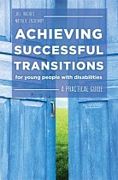
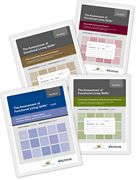
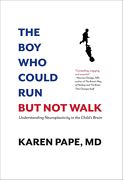
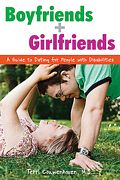
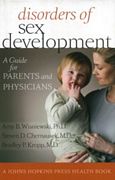
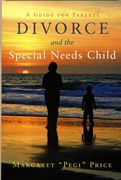
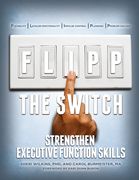
.jpg)